
Moving from active landlord to passive investor is the “holy grail” for many California real estate owners. If you are tired of management but want to defer capital gains taxes, you are likely choosing between a Traditional 1031 Exchange and a Delaware Statutory Trust (DST).
This guide breaks down which vehicle best fuels a passive income lifestyle in 2026.
The Passive Income Showdown
| Feature | Traditional 1031 Exchange | Delaware Statutory Trust (DST) |
| Effort Level | Active. You manage or oversee. | 100% Passive. “Armchair” investing. |
| Asset Quality | Local rentals/commercial. | Institutional (Amazon, Medical, Luxury Apts). |
| Closing Risk | High. Hard to find property in 45 days. | Low. Pre-vetted and ready to close. |
| Diversification | Usually “all eggs in one basket.” | Can split equity across multiple states/sectors. |
Why the DST Wins for Passive Income
For those prioritizing cash flow over control, the DST is the clear winner:
- Professional Stewardship: You aren’t hiring a property manager; you are partnering with a “Sponsor” who handles everything from leasing to multi-million dollar capital improvements.
- Zero “Execution Risk”: In California’s tight 2026 market, many 1031s fail because investors can’t find a replacement. A DST is “on the shelf” and ready for immediate purchase.
- Fractional Ownership: Instead of buying one $2M building, you can put $500k into four different DSTs (e.g., Texas Industrial, Florida Multifamily, and Arizona Medical), spreading your risk.
The California “Clawback” Warning
Regardless of which path you choose, the California Franchise Tax Board (FTB) uses Form 3840 to track your deferred gain. If you exchange a San Diego property for a DST in Texas, California will eventually want their tax if you ever “cash out” without doing another exchange.
People Also Ask (PAA)
- Can I 1031 into a REIT? No. REITs are securities. DSTs are considered “like-kind” real estate by the IRS, making them 1031-eligible.
- What are the fees? DSTs have “load” fees (up-front costs) for the sponsor. However, these are often offset by the institutional-grade cap rates and lack of personal management expenses.
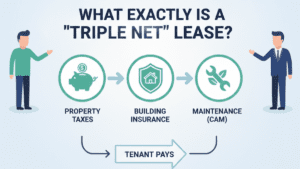
- Is the income guaranteed? No real estate income is guaranteed, but DSTs often feature “Triple-Net” (NNN) leases with credit-worthy tenants, providing more stability than a typical local rental.
The Verdict
- Choose a 1031 Exchange if you want to be the “CEO” of your assets and have the energy to grow equity through renovations.
- Choose a DST if you want to retire, travel, and receive a monthly distribution check without ever receiving a midnight call about a broken water heater.
Take the Next Step with BCRE
Don’t let the 45-day identification clock steal your equity. Whether you want to scale your portfolio or transition into a worry-free retirement, Brian Baniqued at BCRE specializes in matching California investors with the right DST and 1031 opportunities.
Contact Brian Baniqued at BCRE today for a strategic consultation and secure your passive income future.