If you’re looking for a truly passive income stream, the NNN lease is likely why you’re here. In California’s high-tax, high-regulation environment, this specific lease structure is the preferred choice for sophisticated industrial landlords.
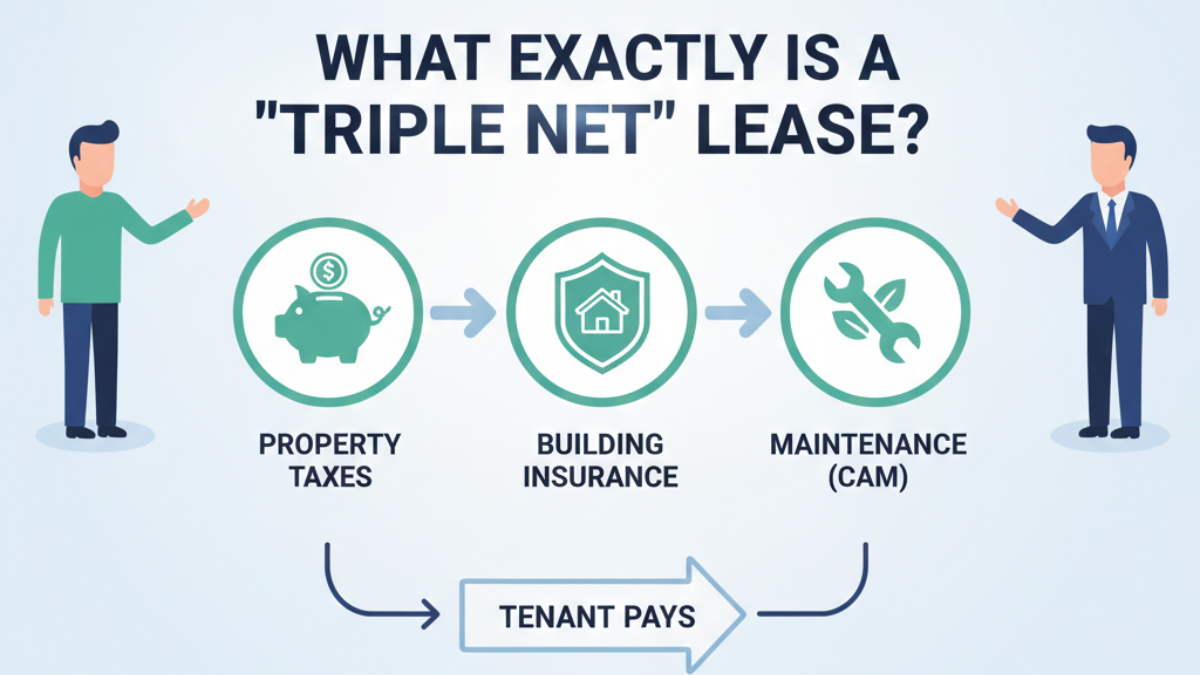
What Exactly is a “Triple Net” Lease?
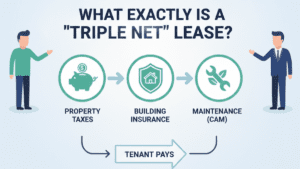
In a standard residential lease, you pay rent, and the landlord handles the “nets” (taxes, insurance, and maintenance). In a Triple Net Lease, the script is flipped. The tenant pays a lower base rent but assumes responsibility for the three major operating expenses of the property:
-
N – Property Taxes: The tenant pays the annual property tax bill.
-
N – Building Insurance: The tenant covers the premiums for the property’s casualty and liability insurance.
-
N – Maintenance (CAM): The tenant pays for all “Common Area Maintenance,” which includes everything from roof repairs and parking lot striping to landscaping.
Why California Landlords Prefer NNN Leases?
California is a unique market where costs can fluctuate rapidly. The NNN structure acts as a financial shield for the property owner.
1. Protection Against Rising Costs
With inflation and shifting local tax assessments, the cost of owning a building can jump 10% in a single year. In a Gross Lease, that increase eats your profit. In an NNN Lease, that cost is passed through to the tenant. Your “Net” income remains stable regardless of how much the property taxes go up.
2. The “Passive” in Passive Income
Industrial real estate is famous for being “low-touch.” Because the tenant is responsible for calling the plumber or fixing the HVAC system, the landlord’s job is primarily administrative. You collect the rent check and ensure the “nets” are being paid.
3. Long-Term Stability
NNN leases in California are rarely short-term. Most industrial tenants—especially those in manufacturing or cold storage—sign 10 to 15-year agreements. This provides incredible predictability for your portfolio.
The 2026 Edge: Absolute NNN vs. Standard NNN
As we navigate 2026, many investors are pushing for Absolute NNN Leases (sometimes called “Bondable” leases).
-
Standard NNN: The tenant pays the three nets, but the landlord might still be responsible for the “roof and structure.”
-
Absolute NNN: The tenant is responsible for everything, including total roof replacement or structural failures.
In a world where construction costs are high, the Absolute NNN lease is the ultimate goal for investors seeking zero management headaches.